

Converting an AGA to electric can make sense for many households, but it’s worth understanding the potential drawbacks before committing.
Modern electric systems have improved greatly, yet some limitations still exist, particularly with older conversion types.
1. Power Cut Limitations
The most obvious drawback is that electric AGAs rely entirely on the mains supply. If you live in a rural area with frequent or long power cuts, you’ll lose heat much faster than with an oil or gas model. The ovens will stay warm for a few hours due to the insulation, but the hotplates cool quickly.
If you have a generator, you can run the cooker from it, but check the power requirement first. A full system can draw up to 4–5 kW, so it’s important the generator can handle that safely.
2. Reduced Ambient Heat
Traditional AGAs release more background heat into the kitchen, which some owners appreciate in colder months. Converted electric models tend to emit less radiant heat because they are designed to be more efficient.
This is generally seen as an advantage for comfort and running cost, but it means they won’t warm the room in the same way as older fuel types. If you rely on your AGA for background heating, consider adding a small radiator or panel heater to maintain the same comfort level.
3. Hotplate Power and Response
Electric conversions use elements under the hotplates to generate and store heat. These are controlled by thermostats and sensors that adjust as the plate cools during use.
For normal cooking, this works perfectly well, but very large pans or long cooking sessions can use up stored heat faster than the elements can recover. If you’re making large batches of preserves or boiling for long periods, you may find the plates take longer to reach full heat again.
4. Compatibility with Older Models
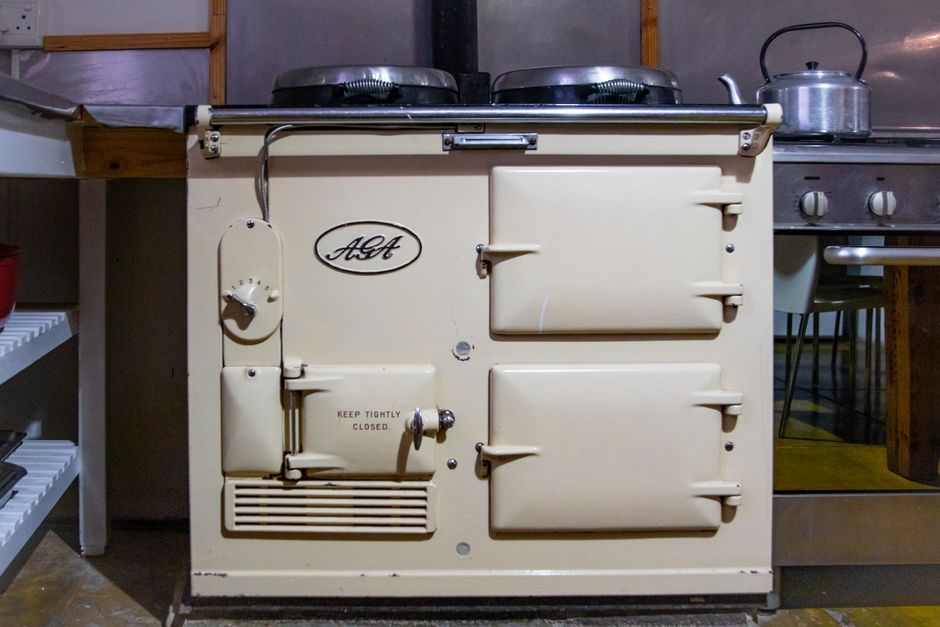
Not every older AGA can be converted easily. Some very early models or those with non-standard castings may require significant modification. It’s important to have the cooker assessed first to make sure the conversion can be done safely and that the results will meet expectations. Our guide on identifying your AGA model is a good starting point if you’re not sure what you’re working with.
5. Cost and Electrical Requirements
Conversion involves fitting new elements, thermostats, wiring and controls. You’ll also need a suitable electrical supply, often on its own circuit. This can add cost if new wiring or consumer unit upgrades are needed.
While running costs are usually lower than oil or gas, the upfront conversion cost can be significant, so it’s worth weighing this against refurbishment or repair of your existing system.
Modern Alternatives
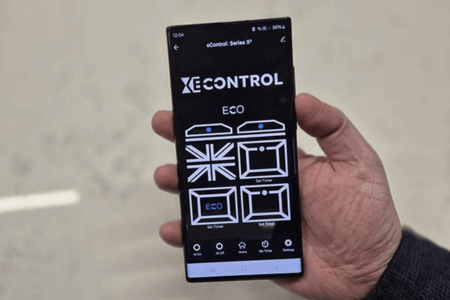
Newer electric AGA conversions, like the ones we carry out at Smart Range, address many of these issues. Improved insulation, more efficient heating elements and precise digital control mean more flexible operation, lower energy use and a better balance between performance and economy.
If you’re considering converting your AGA, we can inspect your cooker and advise on the best option for your model and home setup.
Contact Smart Range to arrange a free consultation across Surrey, Kent, Sussex and London.
Frequently Asked Questions
Will my electric AGA still work during a power cut?
The ovens will hold some warmth for a few hours thanks to their insulation, but the hotplates cool down quickly once the power goes. If outages are common in your area, a generator can keep the cooker running, provided it can handle the 4–5 kW draw of a full system.
Is every AGA suitable for electric conversion?
Most models can be converted, but some very early or non-standard castings need extra assessment first. We’d always inspect the cooker before confirming a conversion is the right option.
Will an electric conversion make my kitchen colder?
It can reduce the background heat you’re used to, since electric systems are designed to run more efficiently rather than radiate constant warmth. Some owners add a small radiator or panel heater to compensate if they rely on the AGA for ambient heat.
Talk to an AGA electric conversion specialist
We'll tell you honestly whether conversion suits your model — no pressure, no obligation.