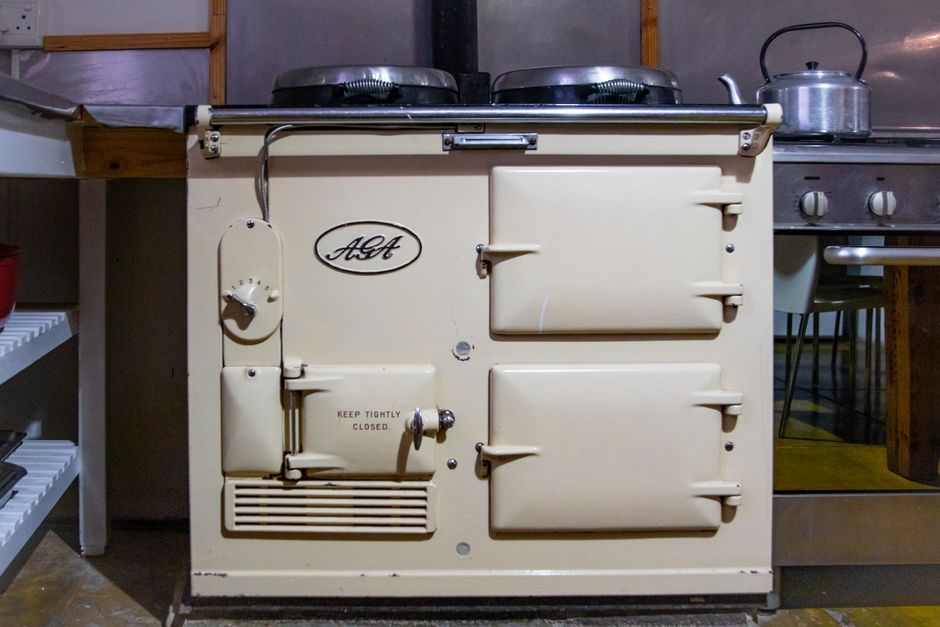
An AGA range cooker is built to last for decades, but its internal insulation does not last forever.
Over years of use, the original materials can settle, degrade, or develop air pockets that cause the cooker to waste heat and use more energy.
Replacing that insulation, often called a repack, is one of the most cost-effective ways to restore your AGA’s performance and lower your running costs.
This article explains why insulation matters, tells you what to look for when the old material is failing, and describes what a replacement job involves.
Why Insulation Matters for Your AGA
An AGA works by retaining heat within its cast iron ovens and hotplates. The insulation packed around the ovens keeps that heat where it belongs. If the insulation becomes compacted or degraded, heat leaks out. The cooker then has to work harder to maintain its set temperature, which drives up energy consumption and makes the kitchen uncomfortably warm.
Older AGAs were packed with vermiculite granules or rockwool.
Over time, vermiculite settles and rockwool deteriorates, creating air pockets that waste heat.
A poorly insulated AGA will simply lose heat into areas where it is not needed.
Replacing the old material with modern insulating products can make a noticeable difference.
For instance, some specialist parts suppliers now offer ceramic wool blanket just 25mm thick that is claimed to be as effective as 200mm (roughly 8 inches) of glass fibre or slag wool.
Signs That Your AGA Insulation Needs Replacing
You do not need to dismantle the cooker to spot failing insulation. Some common indicators include:
- Higher than usual energy bills – if your electricity or oil consumption has crept up without any change in how you use the cooker, degraded insulation is a likely cause.
- Uneven oven temperatures – one oven may run much hotter or cooler than it used to, or you notice hotspots.
- Excessive heat radiating from the sides or top – a well-insulated AGA should feel warm but not scorching on its outer surfaces.
- Longer warm-up times – if the AGA takes noticeably longer to reach its normal temperature, the insulation may be compromised.
If you notice any of these issues, a repack is worth considering.
Many owners find it is one of the most cost-effective improvements they can make to an older cooker.
What Is Involved in an Insulation Replacement
Materials Used
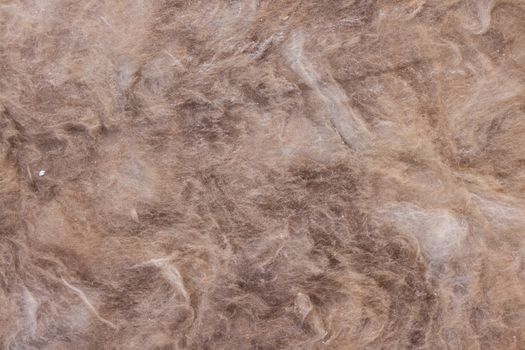
Several types of modern insulation are available for AGAs. Ceramic wool blankets are popular because they are thin yet highly effective. A 25mm ceramic blanket provides thermal performance comparable to much thicker traditional materials. Some companies use a 100% bio-soluble insulating blanket, which is safe to handle and not carcinogenic like some older aluminium fibre products.
Others still use vermiculite topped with a blanket. The choice often depends on the age of the cooker and the installer’s preferred method.
Get in touch if you’d like use to advise you and assess if this would be needed.
Typical Process
A full insulation replacement involves removing the outer panels, extracting the old material, cleaning the interior thoroughly, and packing the new insulation around each oven chamber.
It can certainly take about three hours, including a full clean of the oven interiors.
The cooker then needs to be reassembled and checked for an even temperature before it is used again.
For post-1974 models, a door insulation kit is also available separately. These kits cost around £75 and can help reduce heat loss through the doors, though the main benefit comes from repacking the body.
On two-oven models, replacing the simmer oven door back with a roast oven door back is another improvement that some owners make at the same time.
Cost of Parts
An insulation package that covers all AGA range cooker models is available from specialist spares suppliers.
Potential Energy Savings
The main incentive for replacing old insulation is the reduction in running costs. One real-world example comes from a holiday cottage owner who installed ceramic insulation in their 3-oven electric AGA. Before the repack, the cooker used 39 kWh per day. Afterwards, daily consumption fell to 30 kWh, a 23% reduction. The owner’s pre-insulation monthly average was 1,103 kWh, costing £216.60 at a tariff of £0.1964 per kWh.
While these figures are specific to that cooker and that property, they demonstrate the kind of savings that are possible. A 20–25% drop in energy use is a reasonable expectation for many older AGAs that have never been repacked. Over a year, those savings can go a long way towards covering the cost of the work.
Why Choose a Specialist for Insulation Replacement
Replacing the insulation in an AGA is not a simple DIY job. The cast iron sections are heavy, the old material can be dusty and potentially irritant, and the new insulation must be packed evenly to avoid hot spots. Most owners find that a two-person team with experience of the specific cooker model is the safest and most effective option.
At Smart Range, we specialise in AGA servicing and refurbishment for customers across Surrey, Kent, Sussex and London. Our engineers are familiar with all common models and can assess whether your insulation needs replacing. We use high-quality modern materials and take care to clean the oven chambers thoroughly during the process. If you are considering a repack, we can provide a clear quote and explain exactly what will be done.
Frequently Asked Questions
How long does an AGA insulation replacement take?
Based on owner reports, a typical repack takes two experienced people around three hours. This includes removing the outer casing, cleaning out the old material, and packing the new insulation. The exact time can vary depending on the model and the condition of the cooker.
Can I replace the insulation myself?
It is possible, but not recommended unless you have the right tools, a helper, and some familiarity with how an AGA is constructed. The work involves handling old, dusty material and lifting heavy cast iron parts. Most owners prefer to hire a specialist to avoid damage and ensure the job is done properly.
Will a repack always reduce my energy bills by 23%?
No. The 23% reduction reported by one owner is not a guaranteed figure for every cooker. Savings depend on the condition of the old insulation, the model of AGA, your tariff, and how you use the cooker. However, a repack is widely regarded as one of the most cost-effective efficiency upgrades for an older AGA.
What is the best insulation material for an AGA?
There is no single “best” material approved by all specialists. Ceramic wool blankets are highly effective and thin, while bio-soluble blankets are safer to handle. Some companies still use vermiculite with a top blanket. The right choice depends on the installer’s experience and your cooker model. Ask your service company what they use and why.
How much does an insulation replacement cost including labour?
Parts for a full repack cost around £153 including VAT from specialist spares suppliers. Labour costs vary by company and location, so you should request a quote from your chosen installer. The total for parts and labour is often recouped within a year or two through lower energy bills.
If you suspect your AGA’s insulation is past its best, a professional assessment is the first step. At Smart Range, we can inspect your cooker and advise whether a repack would make a noticeable difference. Contact us for a quote tailored to your model and your home.