

Simple Ways to Reduce Running Costs Without Losing the Benefits of an AGA
Many owners ask whether AGAs are energy efficient. Older constant-burn models can use more fuel than modern cookers, but careful use, good insulation and modern electric conversions can significantly reduce energy consumption while preserving the benefits of radiant heat cooking.
AGA range cookers are built to last, and with a few small habits you can make them far more efficient. Whether you own an oil, gas or electric model, following these energy-saving tips will help reduce running costs without losing the benefits of radiant heat cooking.
Many owners ask whether AGAs are energy efficient. Older constant-burn models can use more fuel than modern cookers, but careful use, good insulation and modern electric conversions can significantly reduce energy consumption while preserving the benefits of radiant heat cooking.
1. Keep Lids Closed
When the hotplate lids are left open, heat escapes quickly and the cooker has to work harder to recover. Always close the lids when not in use to retain heat and protect the chrome. This simple habit makes a noticeable difference to fuel use.
2. Cook by the 80/20 Rule
Use the ovens for around 80% of your cooking and the hotplates for only 20%. The ovens store heat efficiently, while the hotplates lose energy faster each time the lids are lifted. Cooking in the ovens wherever possible keeps the cooker at a more stable temperature.
3. Plan Cooking Sessions
Batch cooking or preparing multiple dishes while the cooker is at full temperature makes better use of the stored heat. For example, you can roast a joint, bake bread and then use the residual warmth for a casserole or dessert.
4. Use Residual Heat
AGA cookers retain heat long after they’re turned off. Take advantage of this by using the cooling ovens for slow cooking, drying herbs or warming plates. Electric models with zoned control can be switched off early and still finish cooking perfectly with stored heat.
5. Keep It Well Insulated
Older insulation can break down over time, leading to heat loss through the hob and side panels. Refurbishing your AGA with fresh insulation reduces running costs and helps ovens reach temperature faster. Smart Range offers full re-insulation as part of refurbishment and conversion services.
6. Turn Off Unused Zones
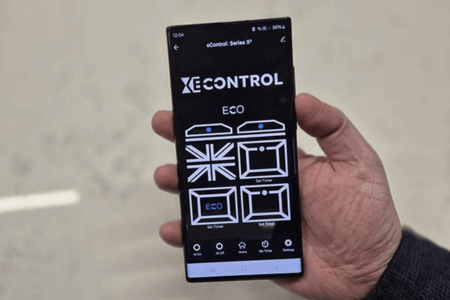
Modern electric AGAs allow individual ovens and hotplates to be turned off when not needed. If you’re just cooking for one or two people, you don’t need to heat the entire cooker. Timers or app-based controls can also help manage energy use automatically.
7. Check Door Seals and Hinges
If oven doors don’t close tightly, heat escapes constantly. Replacing worn rope seals and hinge washers is a simple, low-cost fix that can make a big difference to performance and efficiency.
8. Service Regularly
Regular servicing keeps burners, thermostats and elements working efficiently. A blocked flue, dirty burner or faulty thermostat can all increase fuel use. Schedule a service at least once a year, or twice for oil-fired models.
9. Avoid Unnecessary Heat Loss
Keep pans covered when boiling water, use AGA-specific cookware that fits neatly on the plates, and preheat only the sections you need. Small changes like these reduce energy waste day to day.
10. Consider Conversion or Refurbishment
If you have an older constant-burn model, upgrading to a modern electric conversion can dramatically reduce energy use. Smart Range’s Eco Conversion allows precise control and improved insulation while maintaining the traditional cooking performance.
By combining these tips with regular maintenance, your AGA can remain efficient, reliable and cost-effective for many years.
To discuss refurbishment or conversion options, contact Smart Range. We serve customers across Surrey, Kent, Sussex and London.