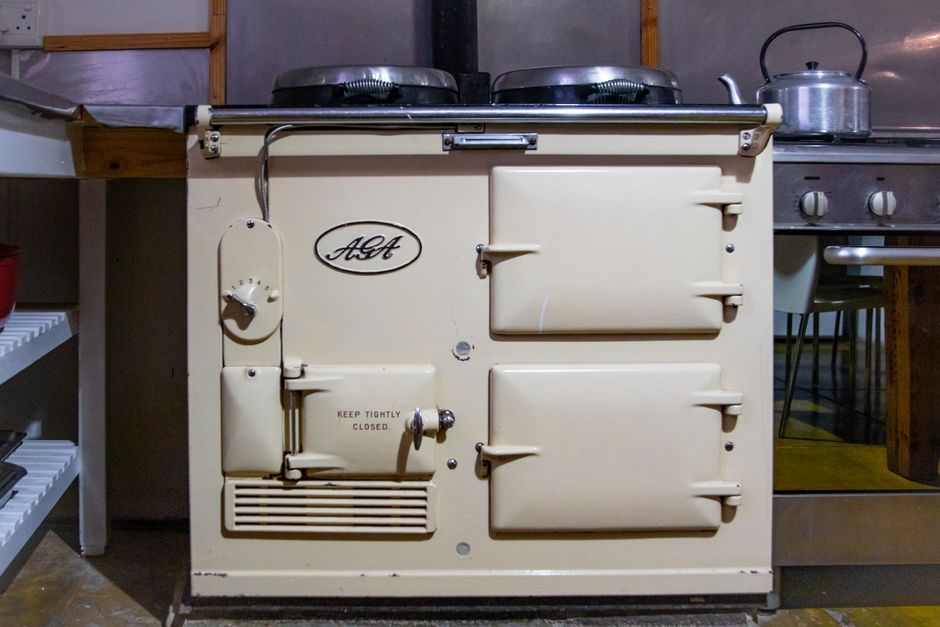



If your AGA feels too hot to touch on the outside but does not seem to cook as efficiently as it once did, the insulation may need attention. Over time, the materials inside the cooker can settle, wear out or be lost during previous moves or repairs, reducing efficiency and causing uneven heat.
How AGA Insulation Works
An AGA is essentially a large heat storage unit. The insulation surrounding the hotplates, ovens and internal chambers keeps heat inside the cooker where it belongs. Good insulation allows the oven temperatures to stay steady while the exterior remains warm, rather than excessively hot.
When the insulation deteriorates, heat escapes through the hob, lids and side panels. This means the cooker uses more fuel or electricity to maintain its normal temperature, and the ovens may never reach their ideal heat level.
Signs of Poor Insulation
There are a few clear signs to look for:
- The outer surfaces or lids feel very hot to touch.
- The oven temperatures fluctuate or take longer to recover after use.
- The cooker uses more oil, gas or electricity than before.
- You notice a general drop in cooking performance.
If the cooker has been moved or dismantled in the past, some of the original insulation might have been lost or damaged during reassembly.
What Causes the Problem
Insulation inside an AGA is exposed to constant high temperatures and can slowly break down into dust. When the thermal blanket or vermiculite becomes thin, the cooker starts to radiate heat outward instead of holding it in.
In some cases, sections of insulation are missing altogether after an unqualified dismantle or move.
How Insulation Can Be Repaired
During refurbishment, the old insulation is removed and replaced with new, high-grade materials. The vermiculite is topped up, and fresh thermal blankets are fitted beneath the hob and around the ovens. This reduces heat loss and helps the cooker reach and hold its target temperatures more efficiently.
Upgrading the insulation can also make the kitchen more comfortable in warmer months, as less heat escapes into the room.
Professional Refurbishment
Re-insulating an AGA is not a simple DIY task. It involves stripping down the cooker and correctly packing the internal layers before resealing the body. If it is done incorrectly, it can create hot spots or restrict airflow, leading to further issues later on.
Smart Range engineers carry out insulation replacement as part of our refurbishment and conversion services. If your cooker runs too hot on the outside or struggles to reach temperature, we can inspect and restore it for improved performance and lower running costs.
Contact Smart Range to arrange a service across Surrey, Kent, Sussex and London.