


A Simple Guide to How AGA Ovens Heat and Cook
Cooking on an AGA is different from using a conventional oven, but once you understand the principles, it quickly becomes second nature.
AGAs use radiant heat stored in the cast iron rather than direct heat from elements or gas burners. If you’re new to this style of cooking, our guide explaining how an AGA oven works breaks down the heat storage system and why it behaves so differently from a fan oven.
Understanding the Heat Zones
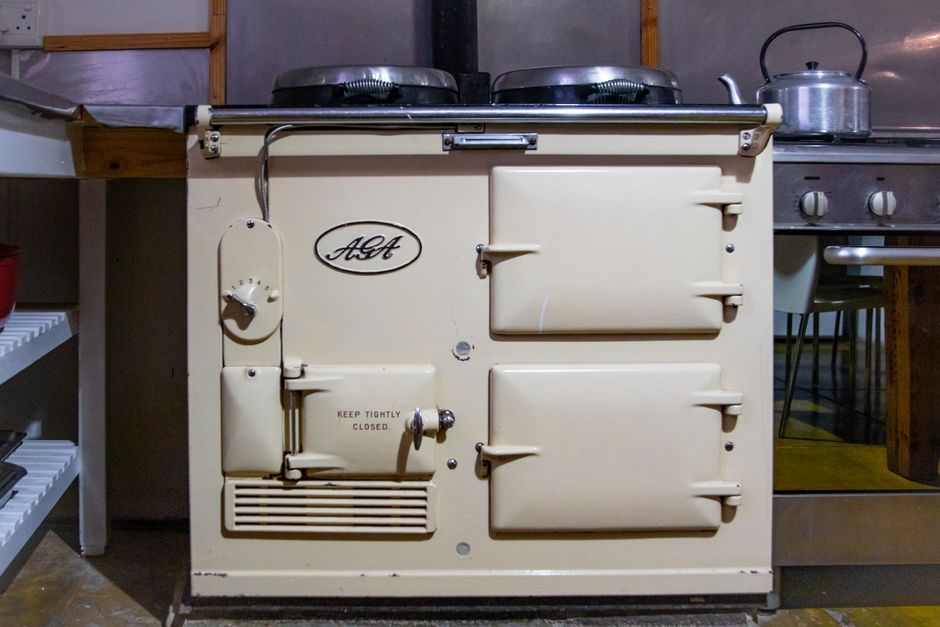
An AGA typically has two or more ovens and a pair of hotplates. Each zone has its own role and temperature range.
- Boiling plate: The hottest surface, used for boiling water, searing meat or stir-frying.
- Simmering plate: Slightly cooler, used for sauces, soups or melting chocolate.
- Roasting oven: Around 230°C, perfect for roasts, bread and high-heat baking.
- Baking oven: Around 190°C, for cakes, pastries and general baking.
- Simmering oven: Around 140–160°C, ideal for casseroles or slow-cooked dishes.
- Warming oven (if fitted): Around 60–90°C, used for warming plates or keeping food ready to serve.
Learning which area to use for each task is the key to efficient cooking on an AGA.
Cooking by Position, Not Dial
Unlike modern ovens, AGAs don’t use adjustable temperature controls. You cook by selecting the right oven or hotplate for the job. Food can also be moved between ovens during cooking to manage browning and heat.
For example, start a casserole in the roasting oven to brown the meat, then move it to the simmering oven to finish gently. This way, you use the natural heat balance of the cooker instead of changing settings.
Use the Lids Wisely
Always keep the hotplate lids closed when not in use. This helps the cooker retain heat and prevents energy loss. When you do lift a lid, work quickly — every open lid releases heat that the cooker must replace.
Stacking and Shelves
AGA cookware is designed to fit neatly within the oven runners, allowing air to circulate evenly. For roasting, place food higher in the oven where it’s hotter. For baking or slower cooking, use the lower rungs or place items on the floor of the oven for gentler heat.
Timing and Experience
Cooking times can differ slightly from recipe books written for fan ovens. It helps to keep a notebook of your own timings for regular dishes. Over time you’ll get a feel for how your AGA behaves and how long things take in each oven.
Residual Heat Cooking
Even after being turned off, an AGA holds heat for hours. Use the residual warmth to dry herbs, crisp meringues or keep plates warm. It’s a simple way to make the most of the energy already stored in the cooker.
Cleaning and Care
After cooking, wipe up spills once surfaces have cooled. Avoid acidic cleaners and never use caustic oven sprays. A quick polish with a soft cloth keeps the enamel looking fresh.
Cooking with Confidence
Once you’re familiar with the heat zones, you’ll find an AGA handles most dishes with ease. From slow-cooked stews to perfectly baked bread, it delivers consistent results with minimal fuss.
For servicing, refurbishment or conversion advice, contact Smart Range. We cover Surrey, Kent, Sussex and London.