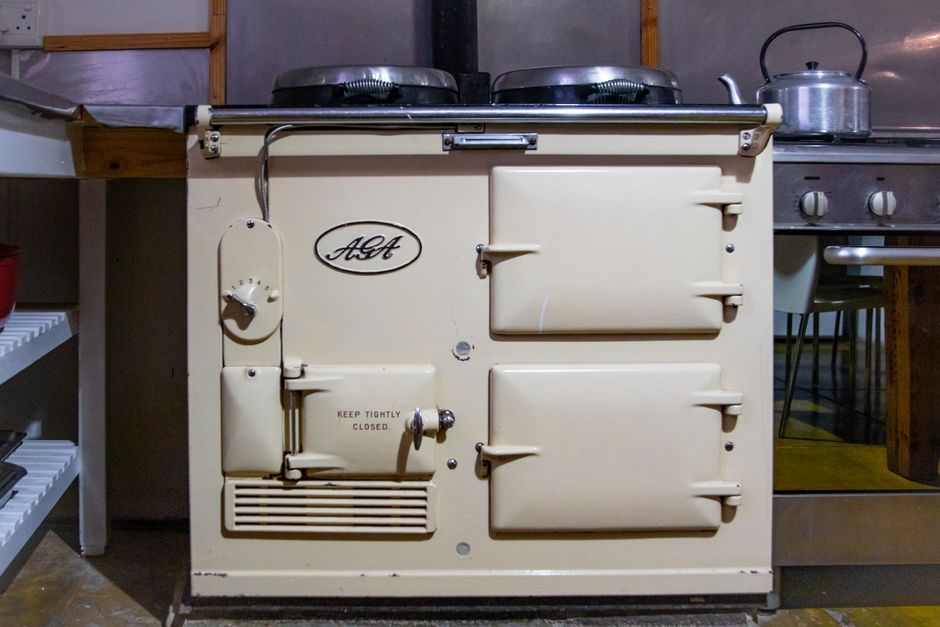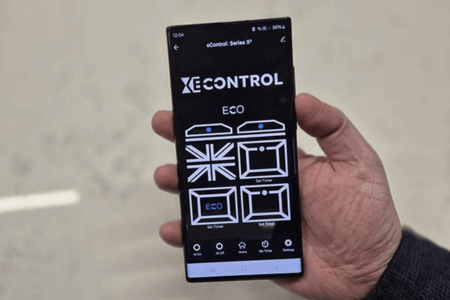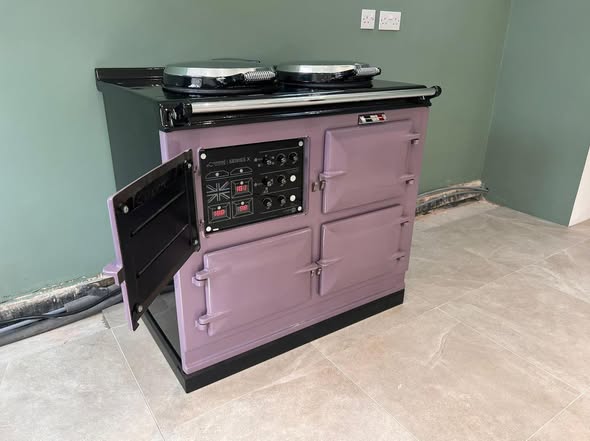
Buying a second-hand AGA cooker can be a great way to enjoy the character and performance of a traditional range without paying the cost of a new model. However, older AGAs vary widely in condition, fuel type and conversion history. Understanding what to check before buying can save you significant repair or installation costs later.
An AGA range cooker can last for generations when properly cared for. Buying a second-hand one can be a great way to own a piece of British engineering, but it’s worth understanding what’s involved before you commit.
This guide explains what to look out for, what it may cost, and how to make sure you buy safely.
1. Understand What You’re Buying
AGAs are hand-built and often decades old. Many have been converted from solid fuel to oil, gas or electric systems over time.
Before you agree to buy, find out:
- The model and fuel type
- Its approximate age
- Whether it has been converted previously
- When it was last serviced or refurbished
If possible, speak to the engineer who last worked on it. They can give a clear view of its condition and whether any work is needed.
2. Where to Find Second-Hand AGA Cookers
Second-hand AGA cookers are often available through kitchen refurbishment companies, specialist AGA engineers, private sellers and online marketplaces. Listings may describe the cooker as used, second hand or reconditioned. Prices can vary depending on the model, fuel type and condition, so it’s worth comparing several listings before making a decision.
3. Check for Asbestos and Safety Concerns
Older AGA models may contain asbestos in the insulation. If you’re buying an older cooker that needs to be dismantled or transported, this must be handled by professionals with the correct protective equipment and disposal procedures.
Ask the dismantling company to confirm in writing that they follow safe working methods and replace affected parts.
4. Factor in Removal and Transport Costs
An AGA is extremely heavy and cannot be moved in one piece. A cast-iron model weighs around 500 kg and must be dismantled before transport. Moving it whole can cause cracks, warping or insulation loss.
Expect to pay £350 to £1,000 for professional dismantling and removal, depending on access and distance. Always confirm who is responsible for any damage during the move.
Because of the weight and construction, AGAs should always be handled by specialists. See our guide on how to move an AGA safely.
5. Budget for Installation and Setup
Reinstalling an AGA is a separate specialist job. The cooker usually sits on a plinth to raise it to worktop height and protect the floor. Once positioned, it must be reassembled, connected to its fuel source and tested.
Installation costs are typically £500 to £1,500, depending on the model and fuel type. You may also need new flue work, wiring or re-enamelling, so check before booking.
6. Inspect Condition and Efficiency
A second-hand AGA may look fine but still need attention. Common issues include:
- Pitted or uneven hotplates
- Aged or missing insulation
- Worn seals or warped doors
- Cracked cast iron
Ask for close-up photos or see it running before purchase. A good test is that the roasting oven should reach around 230°C when fully up to temperature.
7. Typical Prices for a Second-Hand AGA
Prices for second-hand AGAs vary widely depending on the model and condition. A basic used cooker that needs refurbishment may cost a few hundred pounds, while fully refurbished or converted models can cost several thousand.
Remember that dismantling, transport and installation costs are usually separate from the purchase price.
8. Understand Warranty and Ongoing Support
Private sales rarely include a warranty. Check if the original installer offers any support or if you will need to find a new engineer locally.
If you’re considering a reconditioned cooker instead, Smart Range can restore and convert AGAs with modern insulation, thermostats and a new enamel finish.
9. Think About Long-Term Use
Consider:
- Fuel type and availability
- Running costs
- Conversion options
- Building or planning requirements such as flue installation or smoke-control zones
If your home has limited oil storage or you want to lower emissions, conversion to an electric system may be a better long-term choice.
Many older models also benefit from a full AGA refurbishment to restore insulation, enamel and performance.
Summary: Key Checks Before You Buy
| Area | What to Check |
|---|---|
| Model and Fuel Type | Confirm model and conversion history |
| Condition | Look for cracks, pitting or lost insulation |
| Service History | Ask for maintenance or repair records |
| Removal and Delivery | Check who handles dismantling and liability |
| Installation | Use a qualified engineer to reassemble and test |
| Warranty | Know what is and isn’t covered |
| Future Plans | Check for conversion or building requirements |
Final Thoughts
Buying a second-hand AGA can be rewarding, but it’s rarely as simple as collecting it and switching it on. Proper dismantling, transport and installation are essential to protect the cooker and your investment.
If you’re thinking about buying, restoring or converting an AGA, Smart Range can help. We provide removal, refurbishment and electric conversion services across Surrey, Kent, Sussex and London.
Contact our team to discuss your options.